
Extreme farming
How IoT and hydroponics are changing extreme farming
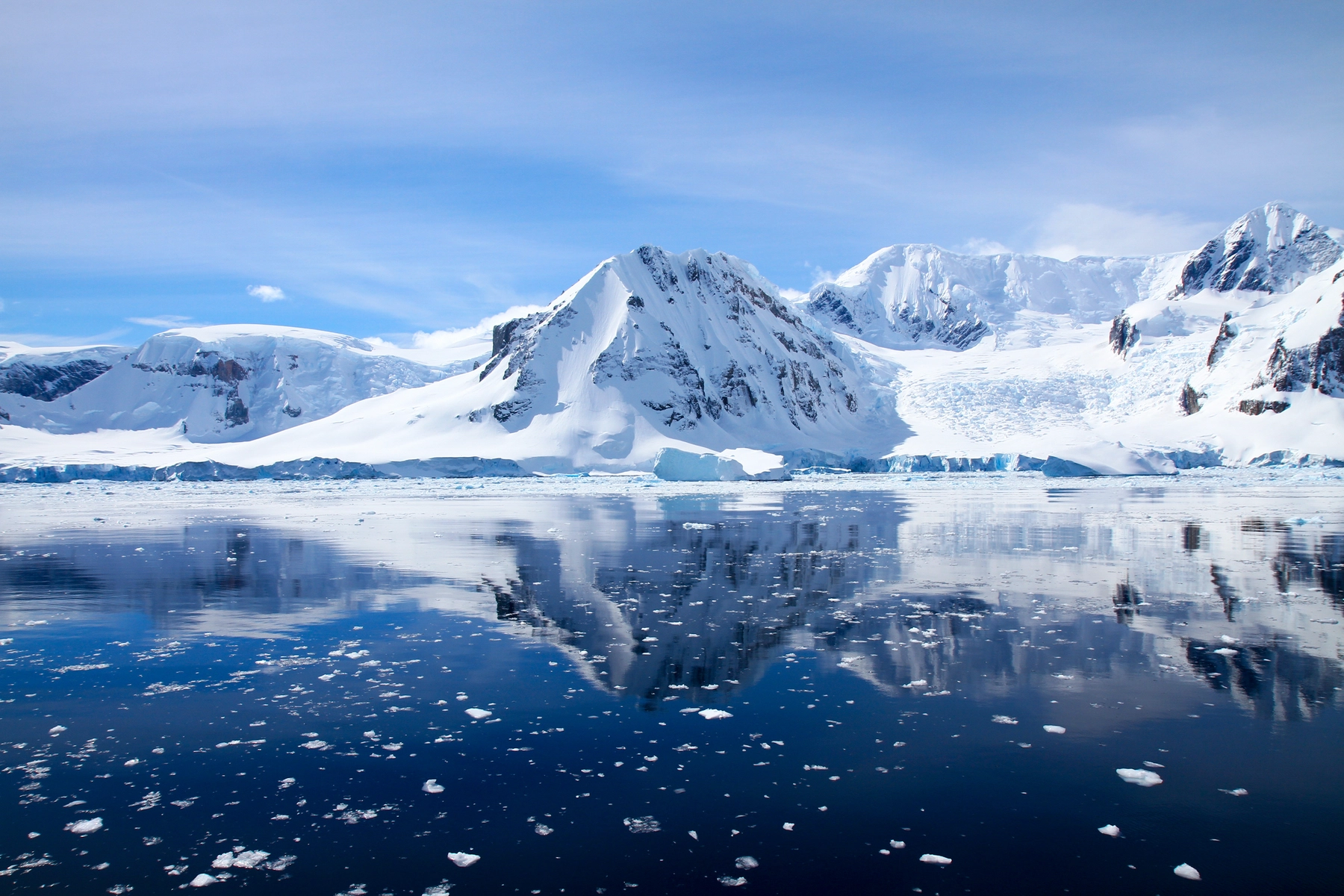
Antarctica is one of the harshest environments on Earth: frozen, isolated, and with nearly zero natural conditions for growing food.
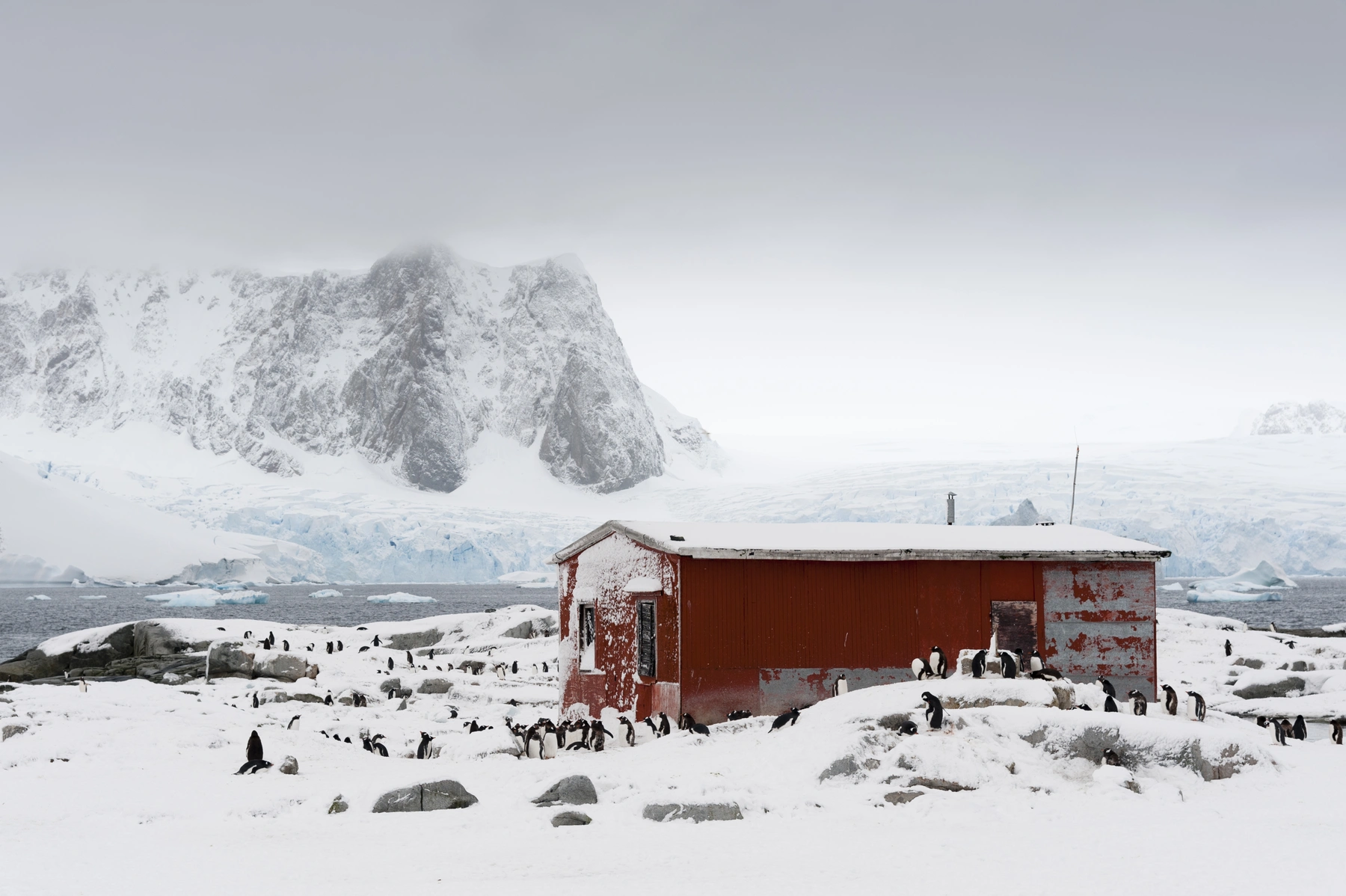
So how is it possible that fresh lettuce and arugula are now being harvested at Marambio Base, Argentina's permanent scientific outpost on the white continent? The answer lies in the convergence of hydroponic agriculture and IoT technology.
MAPHI
The Antarctic Hydroponic Production Module
MAPHI is an indoor hydroponic farming system deployed in a 20-foot container at Marambio Base, designed to produce vegetables year-round in an isolated and controlled environment.
The module was developed through a collaboration between INTA (National Institute of Agricultural Technology), UNPA and the Argentine Antarctic institutions.
MAPHI at a glance
- Site
- Marambio Base, Argentina's permanent scientific outpost in Antarctica
- Module
- An indoor hydroponic system in a 20-foot container
- Developed by
- INTA (National Institute of Agricultural Technology), UNPA and the Argentine Antarctic institutions
- Harvest
- LettuceArugula
- Monitored
- TemperatureHumidityWater levelpHElectrical conductivity
- Goal
- Vegetables year-round, in an isolated and controlled environment

Hydroponics eliminates the need for soil, using water and nutrient solutions instead. But in Antarctica, even this modern approach requires more than just equipment: it demands precision, real-time monitoring and complete environmental control.
Why IoT
Why IoT is essential for extreme farming
Maintaining a stable environment inside the MAPHI module is crucial.
This is where the Thinger.io IoT platform makes the difference:
Real-time monitoring
Automated alerts
Remote control and supervision
These features ensure that the MAPHI module runs efficiently with minimal manual intervention, which is critical when operating in one of the most remote regions on the planet.
Want to know more?
Food production in places once considered unreachable
For detailed results and technical insights, read the full MAPHI case study.
Projects like MAPHI demonstrate how controlled agriculture and digital technology can bring food production to places once considered unreachable.
Whether in Antarctica, arid deserts or even space missions, the fusion of IoT and hydroponics offers a scalable and sustainable solution to grow food in extreme conditions.
We welcome your feedback to keep improving together on Discord.
Read the MAPHI case study
The module, the sensors and the first harvest at Marambio Base, with the detailed results and technical insights.


