


Release 6.4
Better management and functionality for your IoT projects
Thinger.io platform 6.4 is out. It brings a host of new features and enhancements aimed at optimizing the management and functionality of your IoT projects.
Plugins get their own storage and settings, devices can now be virtual, products can be exported as plugins, and buckets can run on a new database backend. Here is a breakdown of the most notable updates.
Release 6.4 at a glance
- Version
- 6.4
- New event
- endpoint_call_response
- Deprecated
- InfluxDB, for new instances
- New features
- Plugin installation dialogVirtual devicesProduct plugin exporterMongoDB backend
- Migrated to Angular
- Plugin managementConsoleCharts
- Full changelog
- docs.thinger.io
The enhancements and bug fixes are listed at the end of this page; the full changelog has every change.
Enhanced plugin installation dialog
Virtual devices
Product plugin exporter
Experimental MongoDB backend
Plugins
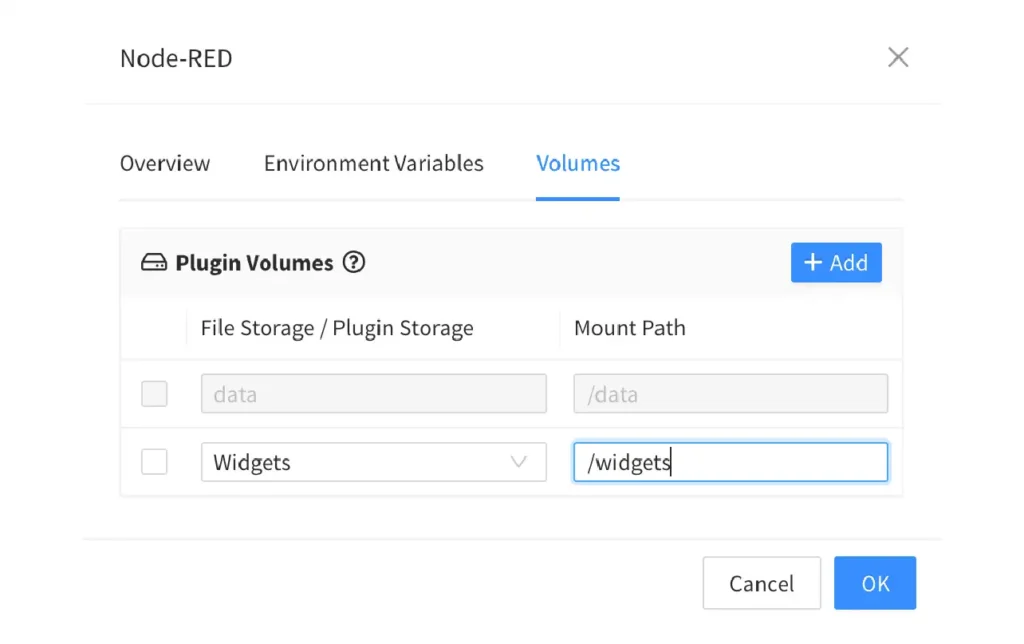
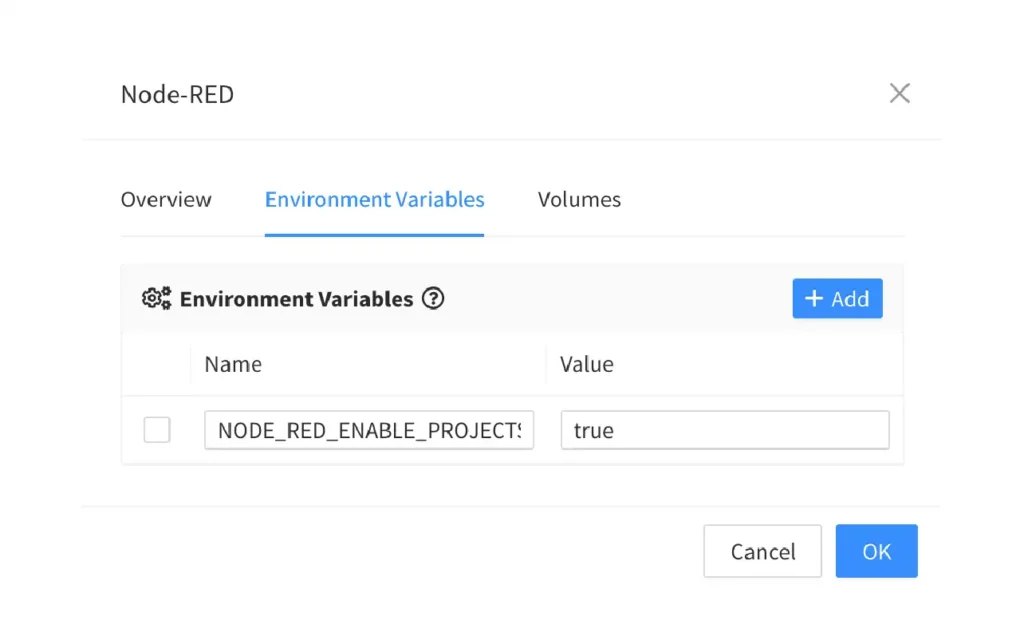
Plugins with your own volumes and environment variables
The plugin installation dialog now has a tab for volumes and another for environment variables.
- Custom volume configuration: you can now mount specific file storages to plugins like Node-RED, FTP, etc.
- Custom environment variables: support for setting up variables, enabling the integration with tools like Node-RED.
Devices
Virtual devices that stay connected
Initial support has been introduced for virtual devices: always-connected devices that can retrieve external resources, such as endpoints.
Virtual Device is a new device type, next to the IOTMP, HTTP and MQTT devices the platform already connects. See how each type reaches the platform on the device connectivity page.

Products
Export a product as a plugin
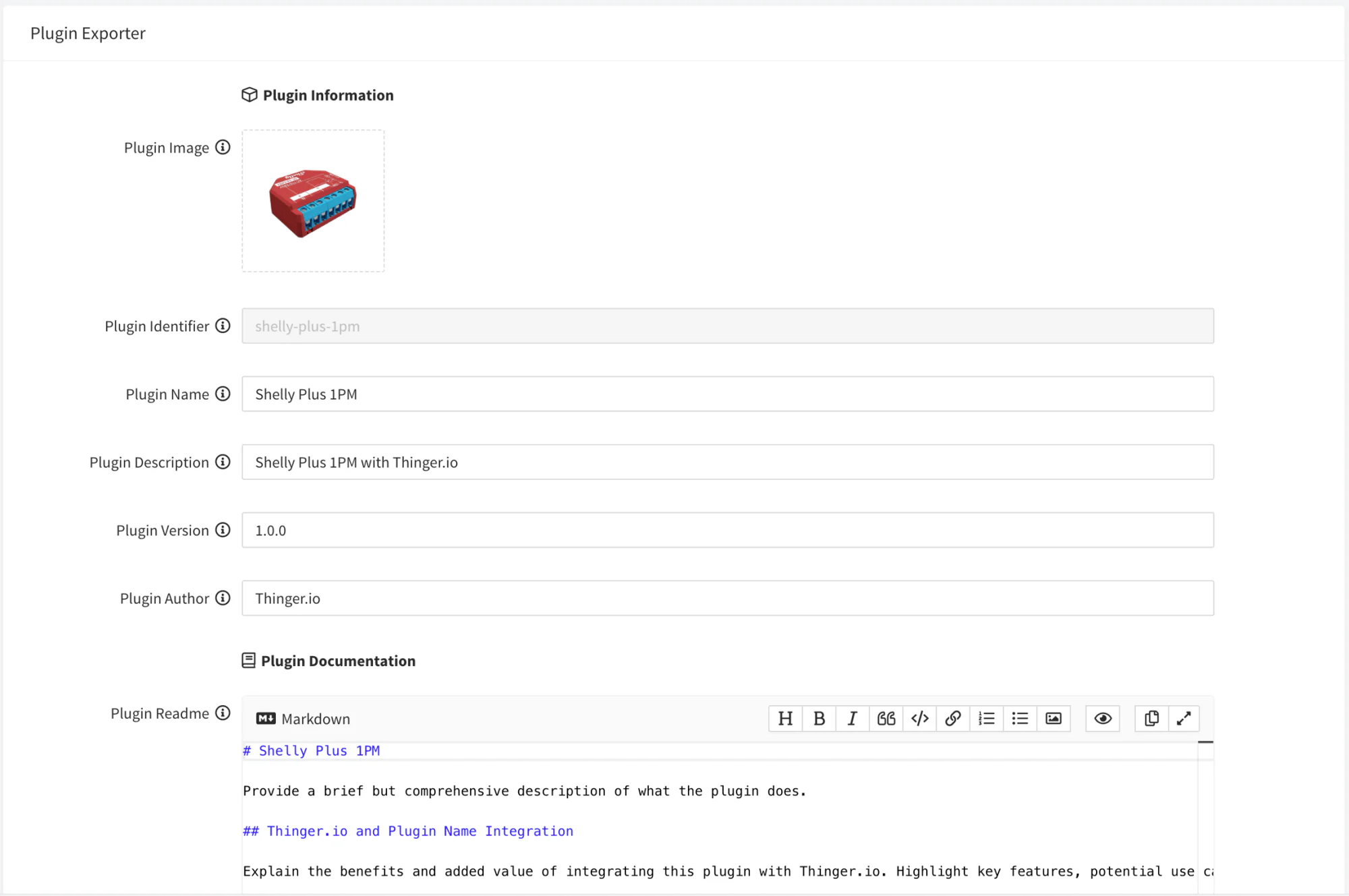
A new tool exports products to file storage as plugins.
When you export a product, you can:
- Set the plugin's image, name, description and version.
- Add a markdown-based README file with images, changelogs and more.
Data
An experimental MongoDB backend for buckets
Buckets can now use MongoDB as their backend, with a retention policy of their own.
Custom retention policies: you can now set individual retention policies for each bucket.

Also in 6.4
Other features, enhancements and bug fixes
Smaller additions, parts of the console migrated to Angular, and the fixes of this release.
Other features
- New event:
endpoint_call_response. - A direct link to the billing management page for admins.
- Community users can now delete their accounts directly from the platform.
Enhancements
- Plugin management: migrated to Angular, with new features like reading readme.md files and loading images from file storage.
- Console component: updated to Angular, with text search for an improved user experience.
- Charts: migrated to Angular with ng-apexcharts, fixing previous issues and improving data visualization.
- Location updates: location properties now reflect the current latitude and longitude values, for real-time accuracy.
Bug fixes
- Bucket operations: fixed bucket writes with empty label values, and reads that did not use the project field.
- Endpoint calls: test calls now display UTF-8 encoded application/json bodies in the response headers.
- Environment variables in plugins: fixed creating and adding environment variables for plugins without default values.
- Dashboard widgets: fixed the handling of placeholder titles and the deletion of sub-widgets in group widgets.
For a detailed overview of every change and improvement in this release, read the full 6.4 changelog.
Your feedback
Building the platform together
Thinger.io is an IoT platform tailored to the ever-evolving needs of the market.
The new features and fixes in Thinger.io 6.4 enhance your projects and streamline your operations. As always, we welcome your feedback to keep improving together: join the conversation on Discord.
Happy building with Thinger.io!
Every change in Thinger.io 6.4
The complete list of new features, enhancements and fixes of this release, in the server documentation.


